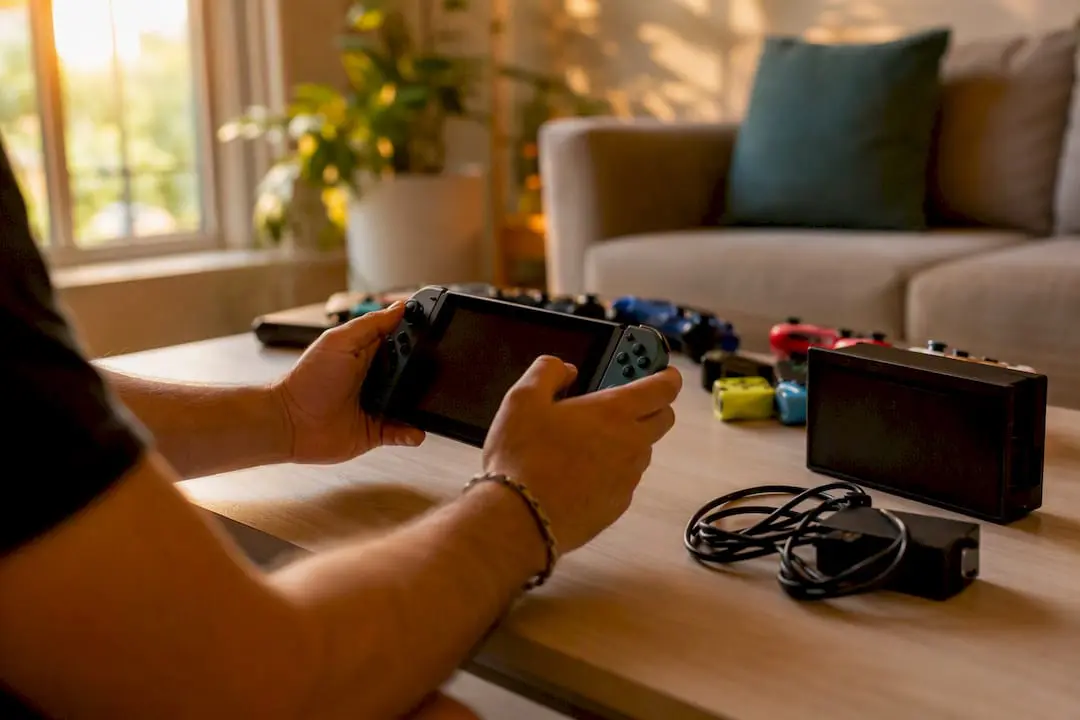


A used Nintendo Switch in good working condition typically resells within typical market price ranges that vary by model, with the Switch OLED fetching relatively higher prices than the standard or Lite versions. Excellent condition and a complete bundle push toward the top of each range. Missing accessories, Joy-Con drift, or a cracked screen pull the price down fast, and the channel you choose changes your net payout too.
TL;DR:
- The resale value of a used Nintendo Switch depends heavily on model, condition, and included accessories, with OLED models fetching the highest prices.
- Condition testing, including battery health, Joy-Con drift, screen quality, and online account status, significantly impacts the final price and sale success.
- Pricing should be based on recent sold listings and adjusted for repair costs, with complete bundles and original packaging adding value.
- Selling channels vary in speed and payout, with local cash offers providing immediate payment but slightly lower prices compared to online marketplaces.
- Regional demand differences can cause price variations, and timing sales around peak seasons or avoiding post-holiday glut can maximize resale value.
Table of Contents
- Nintendo Switch Resale Value by Model and Condition
- How Do You Check a Switch’s Condition Before Selling It?
- How Do You Calculate Your Switch’s Resale Price?
- Where Should You Sell Your Used Nintendo Switch?
- Do Resale Prices Vary by Region?
- When Is the Best Time to Sell a Nintendo Switch?
- How Can You Improve Your Switch’s Resale Value?
- What Legal Steps Should You Take When Selling a Switch?
- What Actually Matters Most When You Sell
- Sell Your Nintendo Switch for Instant Cash in Miami
- Where the Numbers in This Guide Come From
- Sources
Nintendo Switch Resale Value by Model and Condition
Model and condition together set your starting number, and getting this part right matters more than any negotiating tactic. PriceCharting tracks recent sold listings across all three Switch variants, and its medians give you a real anchor instead of a guess pulled from a random online post.
Here’s how the three current models typically break down:
- Standard Switch (original or revised model): Prices vary by condition from higher to lower accordingly.
- Switch OLED: Generally commands higher resale values relative to standard models, adjusted by condition.
- Switch Lite: Usually presented at lower price points compared to other models, with condition affecting price.
These bands assume a bare console with no dock, no extra Joy-Cons, and no games. Add those back in and the number moves, which the next few sections cover in detail.
Special and limited editions complicate the math. Special editions in excellent cosmetic condition can command a noticeable premium above standard models. Once that cosmetic edge is scratched or the box is gone, buyers treat it as a regular OLED and price it accordingly.
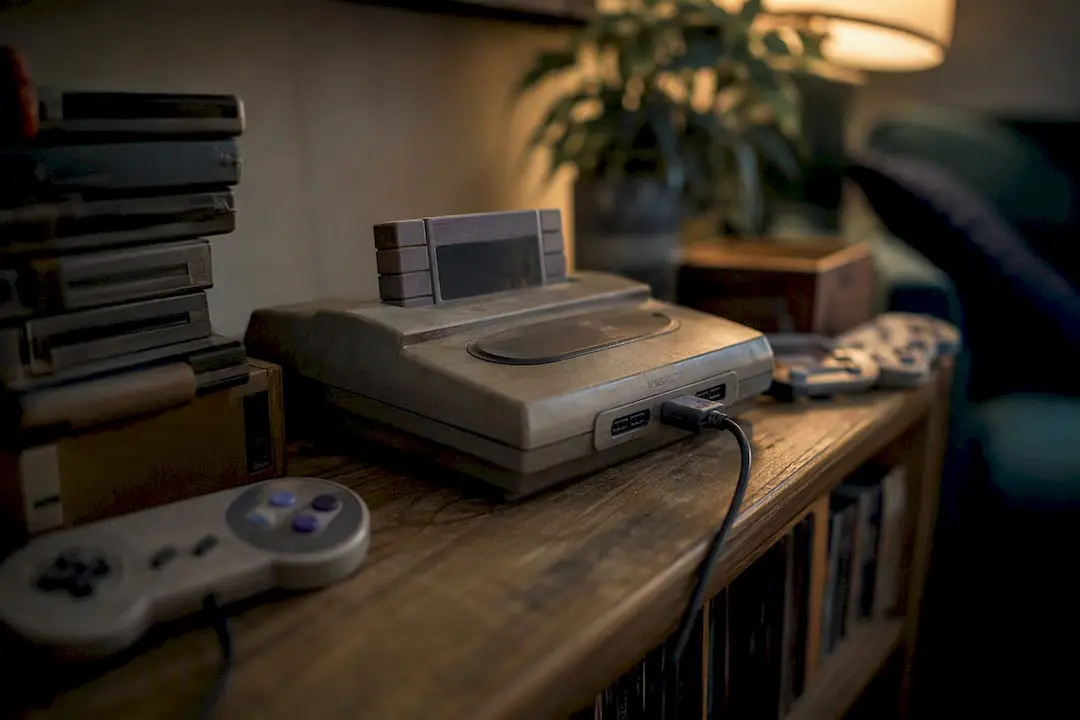
One more thing worth knowing: demand for the original Switch hasn’t collapsed just because newer hardware exists. Backward compatibility keeps the older console relevant to a huge library of games, and Ars Technica’s analysis of the platform’s sales trajectory notes the original Switch continues moving units years into a successor’s lifecycle. That’s good news if you’re sitting on an older unit. It’s not obsolete inventory. It’s still a console people actively want.
How Do You Check a Switch’s Condition Before Selling It?
Condition claims are cheap. Testing is what actually protects your price, whether you’re the seller trying to justify a number or the buyer trying to avoid a bad surprise. Run through this checklist before you list anything or walk into a buyer’s storefront.
- Power on and boot time. A console that struggles to boot or shuts off randomly points to a battery or motherboard issue.
- Battery behavior. Unplug it, use it for 20 minutes, and watch the percentage drop. A battery that loses charge unusually fast needs replacing before sale, or you disclose it and discount accordingly.
- Joy-Con drift test. Leave the analog stick centered and watch the cursor on a menu screen. Any drift with no input touching the stick is a red flag buyers actively search for, per Tech Yahoo’s used-Switch buying guide.
- Docking and TV output. Connect the dock to a television and confirm stable video output with no flickering, lines, or signal drops.
- Game card slot. Insert and eject a physical cartridge a few times to confirm the slot reads reliably.
- Wi-Fi and online sign-in. Try connecting to a network and signing in to a Nintendo Account. A console flagged or banned from online services loses significant value, since buyers can’t access the eShop or online play.
- Screen inspection. Look for dead pixels, scratches, or discoloration under bright light, especially on OLED models where buyers are pickier about display flaws.
- Ports and charging. Test the USB-C charging port for a snug fit and confirm it charges at a normal rate.
- Fan noise. Run a demanding game for 15 minutes and listen for grinding or unusually loud fan activity, which can signal dust buildup or a failing fan.
For a deeper check, dig into System > Support > Error History in the console’s settings. That log surfaces hardware error codes that aren’t obvious from the outside, and it’s a step Tech Yahoo specifically recommends before any used purchase.
Here’s roughly how much each issue should shave off your asking price:
- Joy-Con drift, missing dock, screen damage, battery issues, or online bans reduce resale value by amounts reflective of the repair or usability impact, with typical deductions based on replacement costs and functionality loss.
Pro Tip: If more than two issues stack up on the same unit, get a repair quote before you decide whether to sell as-is or fix it first. Sometimes a $40 Joy-Con swap adds $60 or more to your final sale price, which makes the repair worth it. Other times, especially with motherboard-level problems, selling for parts is the smarter move.
How Do You Calculate Your Switch’s Resale Price?
A repeatable formula beats guessing every time, and it only takes four steps.
Step 1: Find your baseline. Check PriceCharting’s median sold price for your exact model, or scan recent sold listings on a local marketplace to see what similar units actually closed for in the past two weeks.
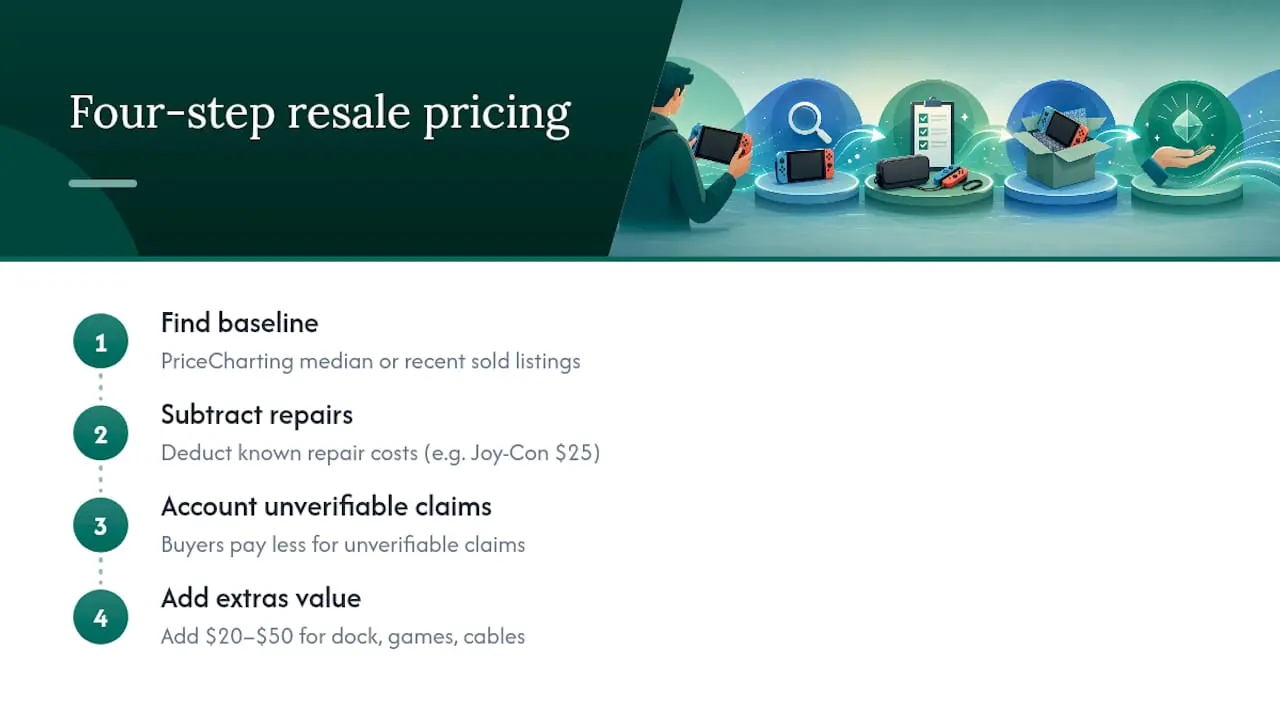
Step 2: Subtract repair costs for known issues. Use realistic numbers. SlashGear’s buying guide puts Joy-Con replacements and battery service costs vary locally but are significant factors to consider when pricing used units.
Buyers pay less for unverifiable claims.
Step 4: Add back value for extras. A complete dock, both Joy-Cons, original cables, and a few physical games can add $20 to $50 combined.
Worked example: Standard Switch, baseline median $115. One Joy-Con shows mild drift (subtract $25). No dock included (subtract $40). Adjusted price: roughly $46.
That same console sold to a local cash buyer might net close to $46 immediately, no fees.
Where Should You Sell Your Used Nintendo Switch?
Each channel trades speed for payout in a different way, and picking the wrong one for your priorities costs you either time or money.
- Local cash buyer: Fastest option, cash in hand same day, no shipping risk. Payout tends to land slightly below top online listing prices but well above pawnshop offers.
- Pawnshop: Fast but typically the lowest payout of any channel, often 30% to 50% below fair market value, since pawnshops price for resale margin and hold-time risk.
- Trade-in programs: Convenient but usually pay in store credit rather than cash, and rates vary a lot between programs. Comparing a few trade-in offers before committing can meaningfully increase what you walk away with.
- Online marketplaces: Highest potential price, but you absorb shipping costs, platform fees, buyer disputes, and the wait time for a sale to actually happen.
- Certified refurbishers: Reasonable payout with less hassle than a marketplace listing, though turnaround can take longer than a same-day cash sale.
If you go the marketplace or shipping route, always use tracked shipping with signature confirmation and photograph the console before boxing it up. For in-person meetups, choose a public location and daylight hours. Local, face-to-face transactions remove most of the fraud risk that comes with mailing electronics to a stranger, which is a big part of why in-person cash options in Miami appeal to sellers who’d rather skip the shipping gamble entirely.
Do Resale Prices Vary by Region?
Yes, and the gap can be bigger than most sellers expect. Local supply and demand shift prices even for an identical console in identical condition, because the used market is fundamentally local even when listings appear on national platforms.
Dense urban markets with strong gaming communities, college towns especially, tend to support higher asking prices simply because more buyers are actively searching at any given time. Areas with fewer active buyers force sellers to either wait longer or accept lower offers to move inventory quickly.
Shipping-based marketplaces smooth some of this out since a buyer in one region can purchase from a seller anywhere, but local sales still reflect local conditions. A console listed in a market flooded with recent sellers, right after a big trade-in promotion, for example, will move slower and for less than the same unit in a market where supply is tighter.
This is one reason comparing multiple offers matters more than settling for the first number you hear. A pawnshop’s regional pricing model, a trade-in chain’s national average, and a local cash buyer’s walk-in rate can all differ by $20 or more for the exact same console. If you’re in a market with active local buyers, that in-person channel often closes the gap between convenience and a fair price without forcing you into a marketplace listing at all.
When Is the Best Time to Sell a Nintendo Switch?
Timing moves your price more than most sellers realize. The weeks leading into the holiday season, roughly October through early December, consistently see the strongest demand for used consoles as buyers look for budget-friendly gifts.
New model announcements cut the other way. When Nintendo teases a new console or major hardware refresh, resale prices on older models often dip temporarily as buyers wait to see what’s coming. That dip tends to be short-lived, though, since backward compatibility and a massive existing game library keep older Switch units relevant long after a successor arrives.
Major sales events matter too. If a big retailer prices new consoles unusually low during a seasonal promotion, used prices often soften to stay competitive, since buyers compare the used discount against the cost of just buying new.
The safest general rule: avoid selling in the dead months right after the holidays, January and February, when the market is flooded with gifted consoles being resold. If you can wait for a demand window instead of a supply glut, you’ll usually see a meaningfully better offer.
How Can You Improve Your Switch’s Resale Value?
A little prep work before you sell or trade in your console can genuinely change the number you’re offered.
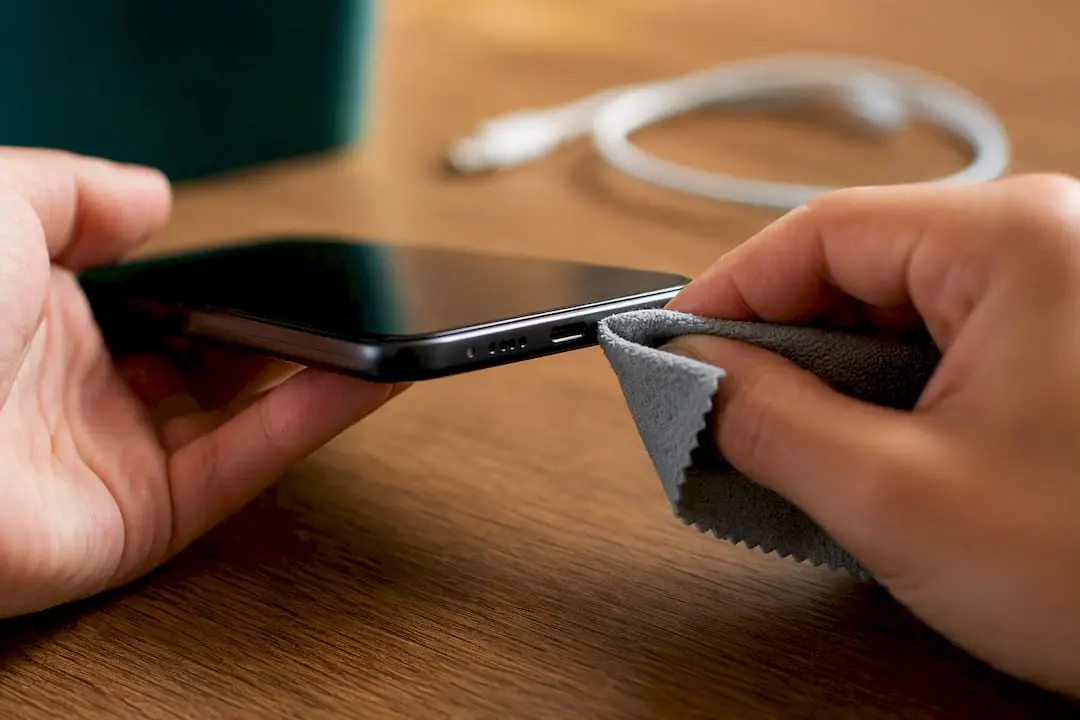
Start with cleaning. Wipe down the screen with a microfiber cloth, clean out the cartridge slot and charging port with compressed air, and remove any stickers or skins if you can do it without leaving residue. A console that looks cared for signals to a buyer that it’s probably been cared for internally too.
Handle small repairs strategically. If Joy-Con drift is minor, a thorough cleaning around the stick sometimes resolves it without a full replacement. If it’s still drifting after cleaning, decide whether the $80 to $100 replacement cost is worth it based on how much value it recovers.
Packaging matters more than sellers expect. Original boxes, manuals, and inserts add real value, especially for limited editions where box condition can swing the price 15% or more. If you don’t have the original box, a padded case with the console and accessories organized neatly still reads as more trustworthy than a console tossed in a plastic bag.
Finally, factory reset the console and remove your account before any sale. A device that isn’t wiped is a device a cautious buyer will walk away from entirely.
What Legal Steps Should You Take When Selling a Switch?
Ownership transfer on a Switch is simpler than a car title but not entirely automatic. Before you hand over the console, deregister your Nintendo Account from the device through System Settings, since a console still linked to your account can block the buyer from signing in with their own.
If you used parental controls or linked a credit card for eShop purchases, remove both before the sale. A buyer inheriting a linked payment method, even accidentally, is a liability neither of you want.
Keep a simple record of the sale, especially for higher-value transactions like a bundle with multiple games. A basic bill of sale noting the date, price, and condition protects both parties if a dispute comes up later. This matters more for online sales with strangers than for local cash transactions, where the exchange happens face to face and payment is immediate.
One legal wrinkle worth knowing: if your console was ever flagged or banned from Nintendo’s online services, that status transfers with the hardware. Sellers should disclose this upfront rather than let a buyer discover it after the sale, both because it’s the honest move and because it avoids a return dispute down the line.
What Actually Matters Most When You Sell
Most sellers say they want the highest price, but when it comes down to it, speed and certainty usually win. Watching a marketplace listing sit for two weeks while you field lowball offers isn’t worth the extra $15 you might net over a same-day local sale.
That’s the real case for in-person cash transactions. You skip the shipping risk, the buyer disputes, and the waiting. You get a real inspection, a real number, and a real payment in the same conversation. The condition checklist earlier in this piece isn’t just for buyers protecting themselves. It’s exactly what a fair local buyer should be walking through with you before making an offer, which is why transparency during that inspection matters as much as the number itself.
— David
Sell Your Nintendo Switch for Instant Cash in Miami
Skip the listing photos, the buyer negotiations, and the wait. We Buy Electronics Miami buys used, new, and even broken Nintendo Switch consoles for cash on the spot, no shipping and no risk of a buyer disappearing mid-transaction.
The process is straightforward. Bring your console, both Joy-Cons, the dock, and chargers if you have them, along with any proof of purchase you’ve kept. A team member inspects the unit using the same checks covered above, including drift, docking, and battery behavior, then gives you a real offer based on what they find, not a lowball starting bid meant to be negotiated down. If you’re deciding between a marketplace listing and a same-day sale, check what your model and condition are worth through We Buy Electronics Miami’s electronics buying page and see how the in-person offer compares before you commit to shipping anything.
Where the Numbers in This Guide Come From
The price ranges and condition adjustments above draw from PriceCharting’s live sold-listing data, Tech Yahoo’s inspection checklist for used consoles, and SlashGear’s repair-cost breakdowns. Longer-term demand context comes from Ars Technica’s reporting on the Switch’s continued sales momentum, and depreciation patterns reference Swappa’s analysis of how gaming hardware holds value compared to other electronics categories.
Sources
- The Nintendo Switch’s days are numbered—but what is that number?
- Nintendo Switch Prices & Switch Value Guide
- Before you buy a used Nintendo Switch, check for these 4 problems
- What to look for when buying a used Nintendo Switch
